Spray foam insulation for Massachusetts

The Benefits of Spray Foam Insulation for Massachusetts Homeowners

Summary

Spray Foam: The Modern Insulation Solution

For homeowners in Massachusetts, where winters are long and temperatures drop below freezing, insulation isn’t a luxury — it’s a necessity. Spray foam insulation has become the go-to choice for modern, energy-efficient homes.

What Makes Spray Foam Different?

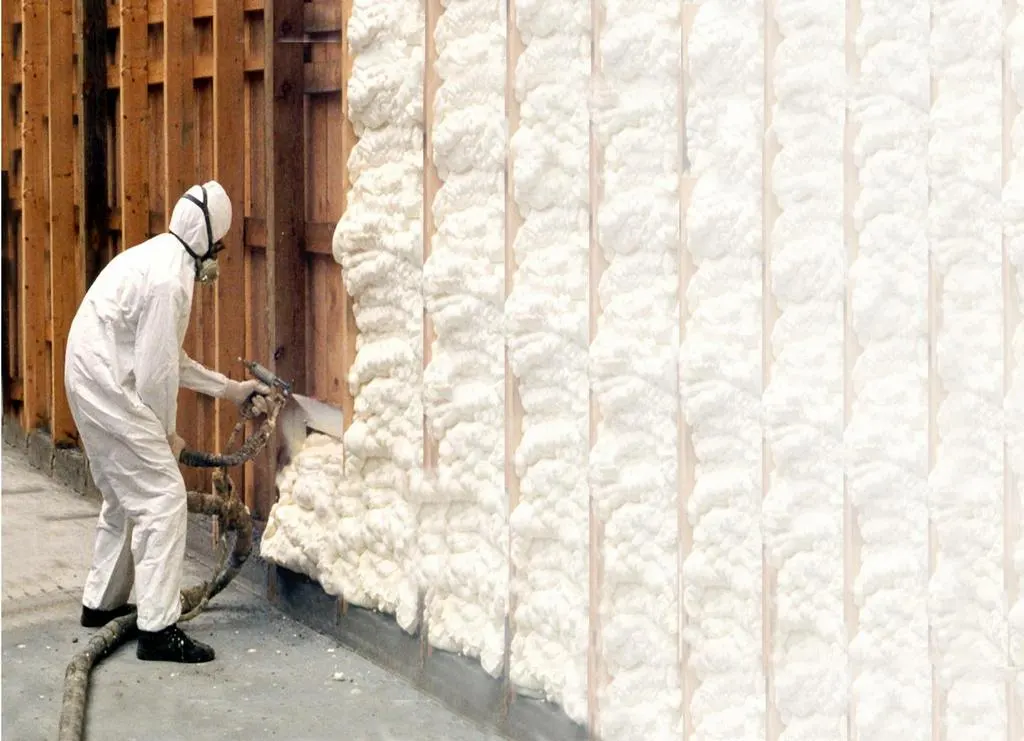
Unlike traditional materials like fiberglass or cellulose, spray foam expands to fill every gap, preventing air leaks and drafts.
It provides a continuous thermal barrier, reducing heat loss during winter and keeping cool air inside during summer.

Key advantages:

  • Airtight seal and superior R-value

  • Moisture and mold resistance

  • Long lifespan (20+ years)

  • Noise reduction and structural strength

Energy Efficiency That Pays Off

The average Massachusetts homeowner spends thousands on heating per year. By upgrading to spray foam, you can cut heating and cooling costs by 20–40%. The insulation essentially pays for itself over time.

Ideal Applications

  • Attics and roofs

  • Basements and crawl spaces

  • New constructions and remodels

Upgrade your home’s comfort and efficiency with spray foam insulation. Contact Thermal Core Insulation for a free consultation today.
Embodied carbon in insulation materials comparison Massachusetts green building guide — XPS foam GWP 1000-3000x CO2 vs fiberglass low GWP vs cellulose carbon negative vs HFO spray foam GWP less than 5 — which insulation is actually green — Thermal Core Insulation Mass Save Approved Contractor thermalcoreinsulation.com

Embodied Carbon in Insulation Materials: Which Products Are Actually Green?

When upgrading a commercial building or home in Massachusetts, the focus is almost always on operational carbon, the emissions saved by reducing HVAC runtime. But what about the carbon emitted to manufacture the insulation itself? This is known as embodied carbon, and it is becoming the most critical metric in green building.

If you choose the wrong material, the carbon emitted during its production can wipe out decades of energy savings. In this guide, we break down the embodied carbon in insulation materials, comparing spray foam, cellulose, fiberglass, mineral wool, and rigid boards to help you make truly sustainable choices for your next project.

Read More
Blueprint-style illustration of bio-based insulation materials in 2026, showing wood fiber, hempcrete, and mycelium blocks replacing traditional fiberglass and foam in Massachusetts buildings. Thermalcore Insulation.

Future of Bio-Based Insulation 2026: What’s Coming to the Market

When discussing the future of the building science industry, the focus keyword on everyone’s mind is bio-based insulation 2026. For decades, the conversation around high-performance building envelopes focused almost exclusively on R-value, often relying on petroleum-based foams and energy-intensive mineral wools. However, as embodied carbon targets tighten and programs like Boston’s BERDO and the Massachusetts Stretch Code become more stringent, architects and builders are looking for new solutions. Enter the bio-based insulation 2026 market.

Read More
: Blueprint diagram showing a Massachusetts home losing cold air through the roof and walls, explaining how to lower MA summer electric bill by 30 percent.

How to Lower MA Summer Electric Bill by 30%

If you live in Massachusetts, you already know the dread of opening your Eversource or National Grid bill in July. In February 2026, the average cost of electricity in Massachusetts hit 33 cents per kilowatt-hour (kWh), a staggering 61% higher than the national average. So to lower MA summer electric bill, you need to take a few steps.

Read More