
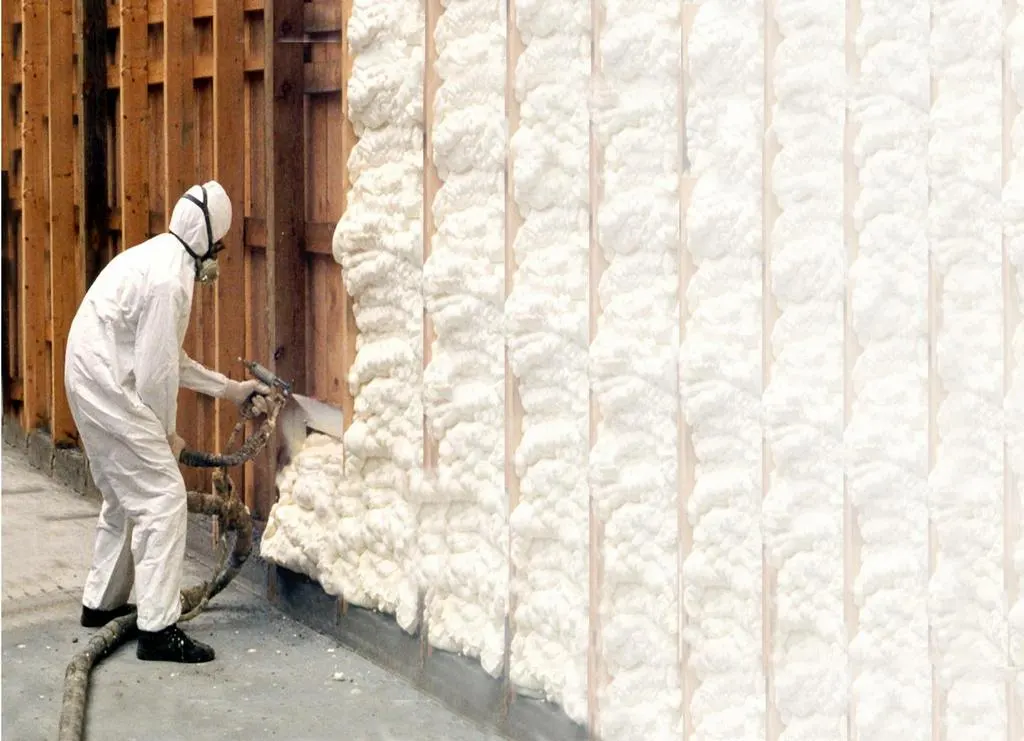
Spray foam insulation for Massachusetts

The Benefits of Spray Foam Insulation for Massachusetts Homeowners

Summary

Spray Foam: The Modern Insulation Solution

For homeowners in Massachusetts, where winters are long and temperatures drop below freezing, insulation isn’t a luxury — it’s a necessity. Spray foam insulation has become the go-to choice for modern, energy-efficient homes.

What Makes Spray Foam Different?

Unlike traditional materials like fiberglass or cellulose, spray foam expands to fill every gap, preventing air leaks and drafts.
It provides a continuous thermal barrier, reducing heat loss during winter and keeping cool air inside during summer.

Key advantages:

  • Airtight seal and superior R-value

  • Moisture and mold resistance

  • Long lifespan (20+ years)

  • Noise reduction and structural strength

Energy Efficiency That Pays Off

The average Massachusetts homeowner spends thousands on heating per year. By upgrading to spray foam, you can cut heating and cooling costs by 20–40%. The insulation essentially pays for itself over time.

Ideal Applications

  • Attics and roofs

  • Basements and crawl spaces

  • New constructions and remodels

Upgrade your home’s comfort and efficiency with spray foam insulation. Contact Thermal Core Insulation for a free consultation today.


Thermal Core Insulation cover infographic introducing spray foam fire safety facts for Massachusetts homeowners, explaining building code requirements, thermal barriers, ASTM E84 ratings, and safe closed-cell spray foam installation.

Spray Foam Fire Safety Facts: Homeowner’s Guide to Code-First Insulation

If you are researching insulation upgrades for your Massachusetts home, you want facts, not fearmongering. When it comes to spray foam fire safety facts, the internet is full of conflicting information. One website claims spray foam is highly flammable, while a contractor’s brochure claims their product is “Class A Fire Rated” and perfectly safe.

The truth lies in the building science. Spray foam is an incredibly effective insulator, but it is a combustible plastic. Its safety depends entirely on how it is installed and protected.

Read More
Thermal Core Insulation cover infographic explaining whether spray foam insulation is a fire hazard, covering Massachusetts building code requirements, thermal barriers, and fire-safe installation practices.

Is Spray Foam Insulation a Fire Hazard?

If you are researching insulation upgrades for your Massachusetts home, you have likely encountered the question: is spray foam insulation a fire hazard? It is a valid concern. Between news reports of insurance companies flagging homes and the technical jargon thrown around by contractors, the topic of fire safety can feel overwhelming.

The short answer is that spray foam, like the wood framing holding up your house, is a combustible material. If exposed directly to a continuous flame, it will burn. However, when installed correctly according to the Massachusetts building code, it is entirely safe.

Read More
Thermal Core Insulation cover image showing a dry basement with a French drain and sump pump, explaining why musty odors remain after waterproofing due to vapor transmission through concrete walls.

Why Your French Drain Didn’t Stop the Musty Smell

If you are wondering why does my basement still smell musty after a french drain, you are not alone. Thousands of Massachusetts homeowners write large checks to waterproofing companies every year, only to walk downstairs a few months later and hit that familiar wall of damp, earthy air. In fact, basement waterproofing costs in Massachusetts can easily exceed $10,000, making it incredibly frustrating when the smell remains.

You look at the floor. It is completely dry. The sump pump is quiet. The perimeter drain is doing exactly what the contractor promised it would do, keeping liquid water out of your basement.

Read More