
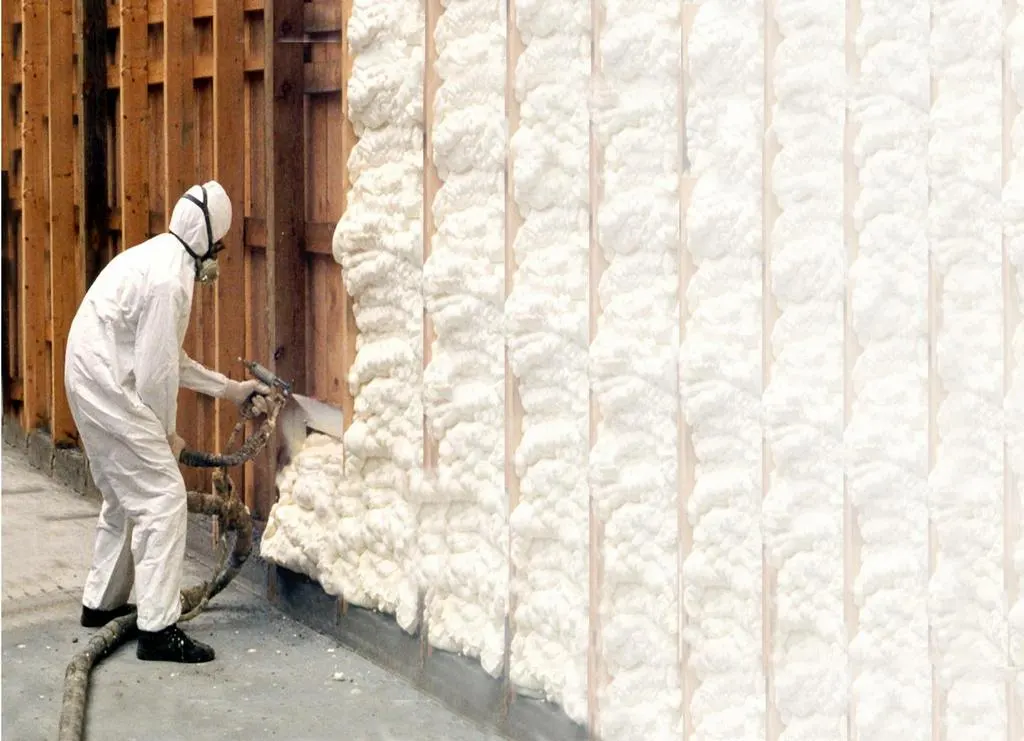
Spray foam insulation for Massachusetts

The Benefits of Spray Foam Insulation for Massachusetts Homeowners

Summary

Spray Foam: The Modern Insulation Solution

For homeowners in Massachusetts, where winters are long and temperatures drop below freezing, insulation isn’t a luxury — it’s a necessity. Spray foam insulation has become the go-to choice for modern, energy-efficient homes.

What Makes Spray Foam Different?

Unlike traditional materials like fiberglass or cellulose, spray foam expands to fill every gap, preventing air leaks and drafts.
It provides a continuous thermal barrier, reducing heat loss during winter and keeping cool air inside during summer.

Key advantages:

  • Airtight seal and superior R-value

  • Moisture and mold resistance

  • Long lifespan (20+ years)

  • Noise reduction and structural strength

Energy Efficiency That Pays Off

The average Massachusetts homeowner spends thousands on heating per year. By upgrading to spray foam, you can cut heating and cooling costs by 20–40%. The insulation essentially pays for itself over time.

Ideal Applications

  • Attics and roofs

  • Basements and crawl spaces

  • New constructions and remodels

Upgrade your home’s comfort and efficiency with spray foam insulation. Contact Thermal Core Insulation for a free consultation today.


contractor manages summer framing and spray foam protocols on a Massachusetts job site, demonstrating the critical importance of substrate temperature management.

Summer Framing and Spray Foam: Managing Curing Temperatures on MA Job Sites

A 90°F summer day in Massachusetts might feel like perfect construction weather, but inside an unventilated attic or a sun-baked wall cavity, it is a chemical liability. When ambient temperatures rise, substrate temperatures skyrocket. Applying summer framing and spray foam protocols without adjusting the chemistry or schedule is a guaranteed path to adhesion failure, poor yield, and a failed winter blower-door test.

Understanding how heat affects spray polyurethane foam (SPF) is not just about applicator comfort, it is the difference between a 30-year airtight building envelope and a costly callback. For general contractors, architects, and developers in New England, managing the thermal dynamics of a summer job site is critical. Here is exactly how heat affects spray foam chemistry and the protocols required to protect your project.

Read More
Commercial building air sealing vs insulation Massachusetts — thermal heat escaping leaky building envelope vs sealed energy-efficient commercial building — what MA commercial buildings should fix first — Thermal Core Insulation Mass Save Approved Contractor

What Commercial Buildings in MA Should Fix First: Insulation vs. Air Sealing

When facility managers and building owners in Massachusetts face skyrocketing winter heating bills or summer cooling costs, the immediate reaction is often to add more insulation. It seems like the logical first step to improve a commercial building’s energy efficiency. However, building science tells a different story.

Before investing capital into upgrading R-values, commercial buildings in Massachusetts must address a more insidious problem: air leakage. According to the U.S. Department of Energy (DOE), air infiltration can account for up to 40% of a building’s energy loss.

Read More
log cover image showing Massachusetts home interior split between 84 degrees hot uncomfortable room and 72 degrees cool comfortable room — why hot and cold spots persist even after insulation — Thermal Core Insulation

Why your Office and Home Still Have Hot and Cold Spots (Even After Insulation)

You did everything right. You noticed your energy bills creeping up, you felt the draft in the winter, and you paid to have your attic or walls insulated. You expected a comfortable, consistent temperature throughout your entire building.

But months later, the problem is still there. The living room is perfectly comfortable, but the master bedroom feels like an oven in July. The front office is freezing in January, while the conference room is stuffy and humid. You find yourself constantly adjusting the thermostat, opening windows, or relying on space heaters and box fans just to make certain rooms usable.

Read More