
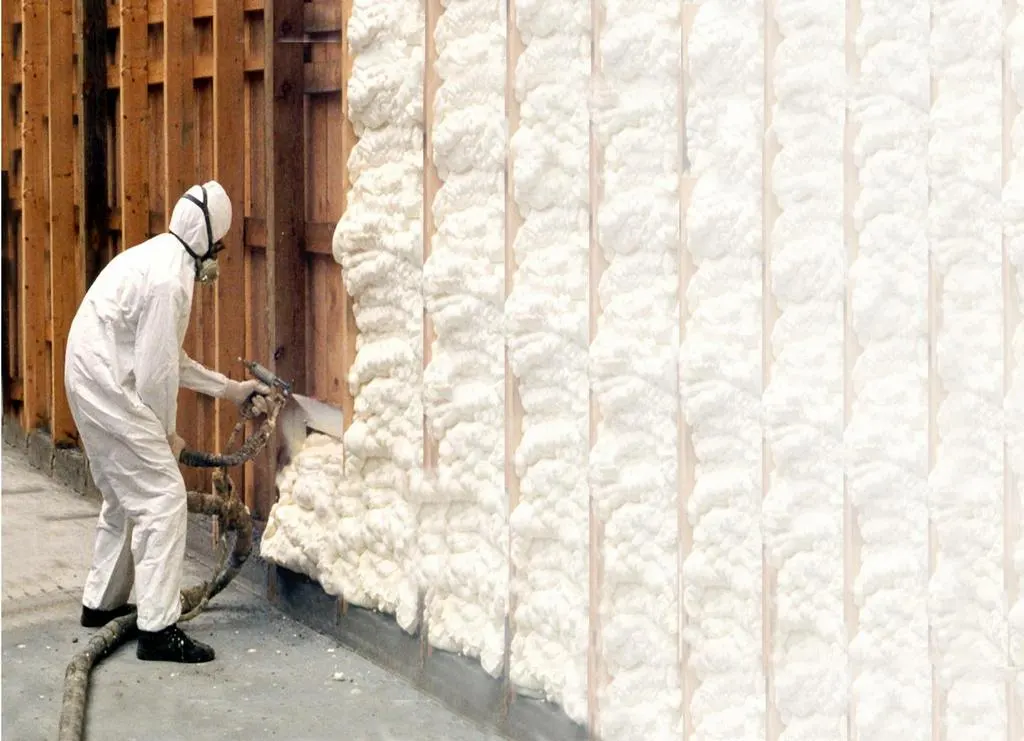
Spray foam insulation for Massachusetts

The Benefits of Spray Foam Insulation for Massachusetts Homeowners

Summary

Spray Foam: The Modern Insulation Solution

For homeowners in Massachusetts, where winters are long and temperatures drop below freezing, insulation isn’t a luxury — it’s a necessity. Spray foam insulation has become the go-to choice for modern, energy-efficient homes.

What Makes Spray Foam Different?

Unlike traditional materials like fiberglass or cellulose, spray foam expands to fill every gap, preventing air leaks and drafts.
It provides a continuous thermal barrier, reducing heat loss during winter and keeping cool air inside during summer.

Key advantages:

  • Airtight seal and superior R-value

  • Moisture and mold resistance

  • Long lifespan (20+ years)

  • Noise reduction and structural strength

Energy Efficiency That Pays Off

The average Massachusetts homeowner spends thousands on heating per year. By upgrading to spray foam, you can cut heating and cooling costs by 20–40%. The insulation essentially pays for itself over time.

Ideal Applications

  • Attics and roofs

  • Basements and crawl spaces

  • New constructions and remodels

Upgrade your home’s comfort and efficiency with spray foam insulation. Contact Thermal Core Insulation for a free consultation today.


Your attic storage should float, not flatten R-value. ThermalCore Insulation guide to the raised attic storage platform fix for Massachusetts homes.

Attic Storage is crushing your R-Value

Attic storage over insulation seems like a simple question until you picture what happens below the plywood. A few holiday bins can turn into a sheet of decking. The decking presses on loose-fill or batt insulation. The insulation loses depth where you need it to stay full. Air leaks, wiring, moisture clues, and access details disappear beneath the new floor.

The homeowner still has storage. The rooms below may have a weaker thermal boundary. That does not mean every attic must stay empty. It means the storage conversation has to begin with the building enclosure, not the bins. The goal is not “floor the attic.” The goal is “create storage, if the attic conditions support it, without sacrificing the insulation and air-sealing work underneath.”

Read More
Do i need an erv after air sealing ? Tighter is good, uncontrolled air isn’t. ThermalCore Insulation guide on whether you need an ERV after air sealing a Massachusetts home.

Build tight, Ventilate right: Do I need an ERV after Air sealing?

Do I need an ERV after air sealing? If the house feels different after sealing leaks, it is a smart question. The answer is rarely “yes, install one,” and it is not “no, the house will breathe.” A leaky house has uncontrolled air movement through attic gaps, rim areas, basement paths, wall penetrations, garage connections, and other openings. Closing those openings moves the home toward air exchange you can understand and control.

Read More
Your unit is not the whole assembly. ThermalCore Insulation guide to who approves shared-envelope condo insulation work in Massachusetts.

Condo Trusts and Insulation: Who Approves Shared-Envelope Work?

Condo trusts and insulation association approval is rarely a question of whether work happens “inside your unit.” A cold bedroom, exterior-wall draft, garage-floor complaint, or shared-wall issue can each lead to a different approval path.

In a Massachusetts condominium, a wall, roofline, attic, facade, party wall, window opening, or garage ceiling may sit between individual comfort and shared property responsibility. The surface you can touch is not always the boundary that controls an alteration.

Read More