
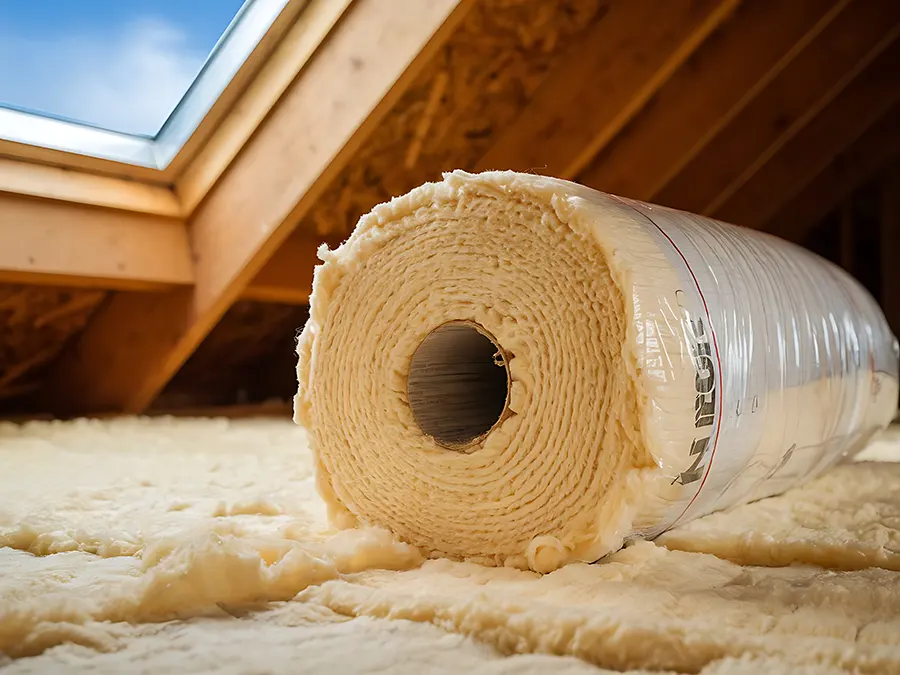
How Proper Attic Insulation

How Proper Attic Insulation Can Cut Your Energy Bills in Massachusetts

Summary

Did you know that up to 25% of a home’s heat loss happens through the attic? In Massachusetts, where winters are long and cold, proper attic insulation is one of the most effective ways to reduce energy waste and save money.

Here’s why your attic matters — and how the right insulation can transform your home.

Why the Attic Is Critical

Warm air rises, and without proper insulation, it escapes through the attic. In summer, attics also trap heat, forcing your AC to work harder. Insulating this space ensures year-round comfort.

Types of Attic Insulation for Massachusetts Homes

Spray Foam Attic Insulation

  • Creates an airtight seal.
  • Prevents moisture and condensation.
  • Excellent for older homes with draft issues.

Blown-In Fiberglass or Cellulose

  • Affordable option.
  • Works well for topping up existing insulation.

Batt Insulation

  • Traditional rolls or panels.
  • Easy for small DIY projects but less efficient in air sealing.

How Much Can You Save?

The U.S. Department of Energy estimates homeowners can save 15–25% on energy bills with proper insulation. In Massachusetts, where heating costs are among the highest in the U.S., savings can be significant.

Signs Your Attic Needs New Insulation

  • Uneven temperatures between rooms
  • High heating or cooling bills
  • Drafts and cold spots
  • Ice dams forming on the roof in winter

Professional vs. DIY Insulation

While DIY solutions may seem cost-effective, professional insulation ensures proper coverage, compliance with Massachusetts energy codes, and long-term durability.

Don’t let energy slip through your attic. Contact Thermal Core Insulation for a free consultation and start saving on your bills today.

Why is one room colder than the rest of the house? ThermalCore Insulation guide to finding the heat loss path, not just adding a product.

Why is One Room colder than the rest of the House?

Why is one room colder than the rest of the house when the thermostat says the home is warm?

It is one of the most frustrating home-comfort problems because it looks simple from the hallway. The living room feels fine. The cold bedroom does not. So the obvious answer seems to be, “That room needs more insulation.

Read More
Does spray foam insulation cause mortgage problems? ThermalCore Insulation guide on condition and records in Massachusetts home sales.

What are the Spray Foam insulation mortgage problems in the US?

Spray foam insulation mortgage problems are a real concern. But the headline often combines two very different questions:

Did a particular insulation or roof condition create a problem in a specific property transaction?

Is spray foam itself banned by US mortgage lenders?

Those are not the same question.

The careful answer is this: the reviewed US secondary-market and property-condition sources do not establish a blanket, nationwide rule that ordinary spray polyurethane foam automatically makes a home unfinanceable. That does not mean every home with spray foam will sail through every sale, refinance, appraisal, insurance review, or lender overlay.

Read More
Will insulation stop ice dams? ThermalCore Insulation guide for Massachusetts homeowners on diagnosing ice dams before adding insulation.

Will Insulation stop Ice Dams? What Massachusetts homes need first

Will insulation stop ice dams? It can reduce part of the problem. It cannot honestly be promised as the answer to every roof covered in snow. That distinction matters because an ice dam is not simply “too little insulation.” It is a roof-temperature problem with several possible inputs.

A common winter scene goes like this: snow stays on most of the roof, but melts over a warmer upper section. Meltwater travels down toward a colder overhang or eave. There, it refreezes. As the ridge grows, later meltwater can be slowed or held above the ice, where it may find a path under roofing and into the building.

Read More