
How Proper Attic Insulation

How Proper Attic Insulation Can Cut Your Energy Bills in Massachusetts

Summary

Did you know that up to 25% of a home’s heat loss happens through the attic? In Massachusetts, where winters are long and cold, proper attic insulation is one of the most effective ways to reduce energy waste and save money.

Here’s why your attic matters — and how the right insulation can transform your home.

Why the Attic Is Critical

Warm air rises, and without proper insulation, it escapes through the attic. In summer, attics also trap heat, forcing your AC to work harder. Insulating this space ensures year-round comfort.

Types of Attic Insulation for Massachusetts Homes

Spray Foam Attic Insulation

  • Creates an airtight seal.
  • Prevents moisture and condensation.
  • Excellent for older homes with draft issues.

Blown-In Fiberglass or Cellulose

  • Affordable option.
  • Works well for topping up existing insulation.

Batt Insulation

  • Traditional rolls or panels.
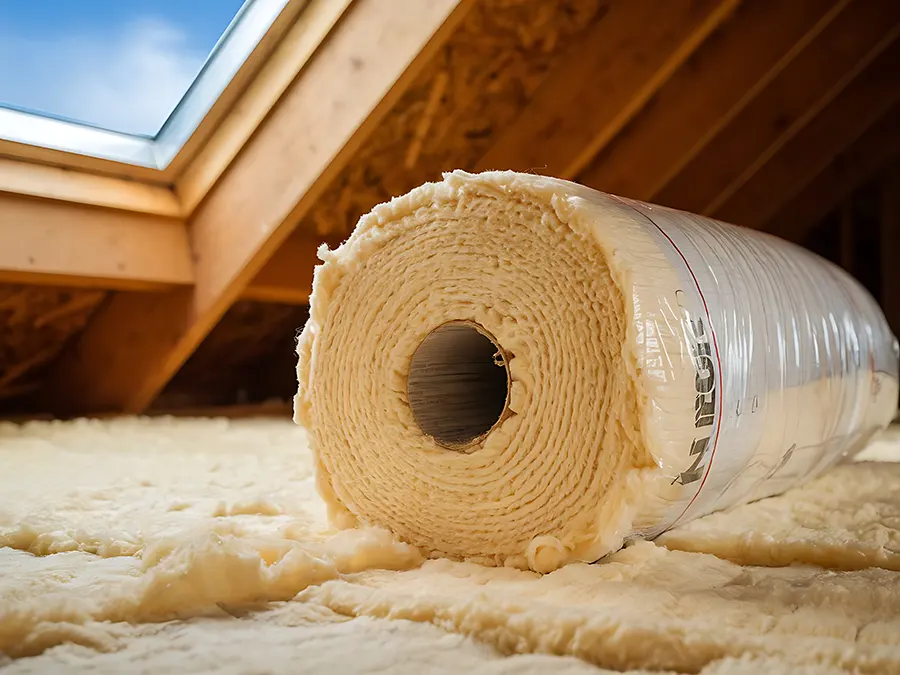
  • Easy for small DIY projects but less efficient in air sealing.

How Much Can You Save?

The U.S. Department of Energy estimates homeowners can save 15–25% on energy bills with proper insulation. In Massachusetts, where heating costs are among the highest in the U.S., savings can be significant.

Signs Your Attic Needs New Insulation

  • Uneven temperatures between rooms
  • High heating or cooling bills
  • Drafts and cold spots
  • Ice dams forming on the roof in winter

Professional vs. DIY Insulation

While DIY solutions may seem cost-effective, professional insulation ensures proper coverage, compliance with Massachusetts energy codes, and long-term durability.

Don’t let energy slip through your attic. Contact Thermal Core Insulation for a free consultation and start saving on your bills today.


Your attic storage should float, not flatten R-value. ThermalCore Insulation guide to the raised attic storage platform fix for Massachusetts homes.

Attic Storage is crushing your R-Value

Attic storage over insulation seems like a simple question until you picture what happens below the plywood. A few holiday bins can turn into a sheet of decking. The decking presses on loose-fill or batt insulation. The insulation loses depth where you need it to stay full. Air leaks, wiring, moisture clues, and access details disappear beneath the new floor.

The homeowner still has storage. The rooms below may have a weaker thermal boundary. That does not mean every attic must stay empty. It means the storage conversation has to begin with the building enclosure, not the bins. The goal is not “floor the attic.” The goal is “create storage, if the attic conditions support it, without sacrificing the insulation and air-sealing work underneath.”

Read More
Do i need an erv after air sealing ? Tighter is good, uncontrolled air isn’t. ThermalCore Insulation guide on whether you need an ERV after air sealing a Massachusetts home.

Build tight, Ventilate right: Do I need an ERV after Air sealing?

Do I need an ERV after air sealing? If the house feels different after sealing leaks, it is a smart question. The answer is rarely “yes, install one,” and it is not “no, the house will breathe.” A leaky house has uncontrolled air movement through attic gaps, rim areas, basement paths, wall penetrations, garage connections, and other openings. Closing those openings moves the home toward air exchange you can understand and control.

Read More
Your unit is not the whole assembly. ThermalCore Insulation guide to who approves shared-envelope condo insulation work in Massachusetts.

Condo Trusts and Insulation: Who Approves Shared-Envelope Work?

Condo trusts and insulation association approval is rarely a question of whether work happens “inside your unit.” A cold bedroom, exterior-wall draft, garage-floor complaint, or shared-wall issue can each lead to a different approval path.

In a Massachusetts condominium, a wall, roofline, attic, facade, party wall, window opening, or garage ceiling may sit between individual comfort and shared property responsibility. The surface you can touch is not always the boundary that controls an alteration.

Read More