
Did you know that up to 25% of a home’s heat loss happens through the attic? In Massachusetts, where winters are long and cold, proper attic insulation is one of the most effective ways to reduce energy waste and save money.
Here’s why your attic matters — and how the right insulation can transform your home.
Why the Attic Is Critical
Warm air rises, and without proper insulation, it escapes through the attic. In summer, attics also trap heat, forcing your AC to work harder. Insulating this space ensures year-round comfort.
Types of Attic Insulation for Massachusetts Homes
Spray Foam Attic Insulation
- Creates an airtight seal.
- Prevents moisture and condensation.
- Excellent for older homes with draft issues.
Blown-In Fiberglass or Cellulose
- Affordable option.
- Works well for topping up existing insulation.
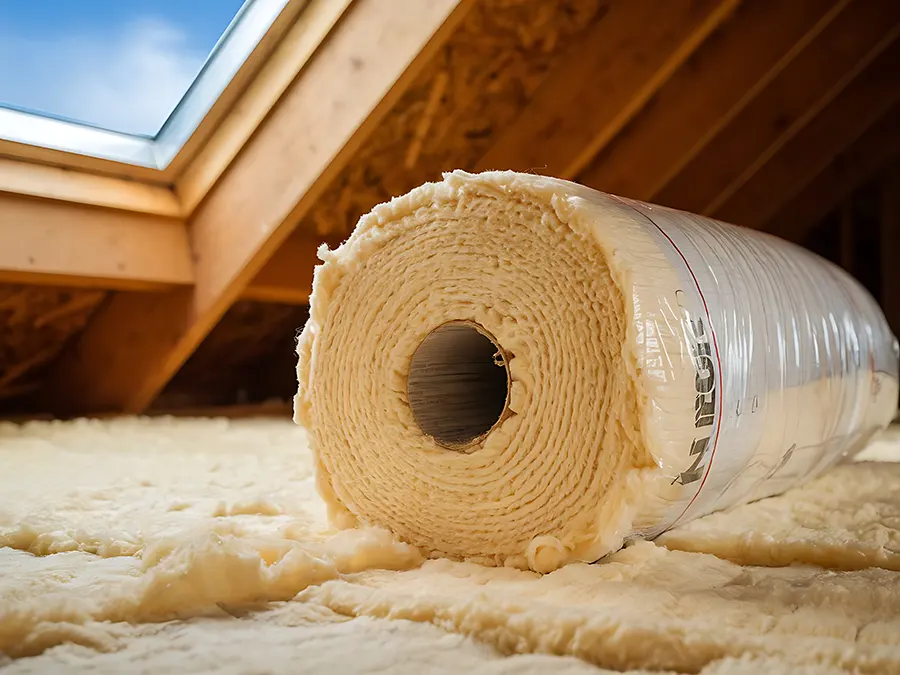
Batt Insulation
- Traditional rolls or panels.
- Easy for small DIY projects but less efficient in air sealing.
How Much Can You Save?
The U.S. Department of Energy estimates homeowners can save 15–25% on energy bills with proper insulation. In Massachusetts, where heating costs are among the highest in the U.S., savings can be significant.
Signs Your Attic Needs New Insulation
- Uneven temperatures between rooms
- High heating or cooling bills
- Drafts and cold spots
- Ice dams forming on the roof in winter
Professional vs. DIY Insulation
While DIY solutions may seem cost-effective, professional insulation ensures proper coverage, compliance with Massachusetts energy codes, and long-term durability.
Don’t let energy slip through your attic. Contact Thermal Core Insulation for a free consultation and start saving on your bills today.