
How Proper Attic Insulation

How Proper Attic Insulation Can Cut Your Energy Bills in Massachusetts

Summary

Did you know that up to 25% of a home’s heat loss happens through the attic? In Massachusetts, where winters are long and cold, proper attic insulation is one of the most effective ways to reduce energy waste and save money.

Here’s why your attic matters — and how the right insulation can transform your home.

Why the Attic Is Critical

Warm air rises, and without proper insulation, it escapes through the attic. In summer, attics also trap heat, forcing your AC to work harder. Insulating this space ensures year-round comfort.

Types of Attic Insulation for Massachusetts Homes

Spray Foam Attic Insulation

  • Creates an airtight seal.
  • Prevents moisture and condensation.
  • Excellent for older homes with draft issues.

Blown-In Fiberglass or Cellulose

  • Affordable option.
  • Works well for topping up existing insulation.

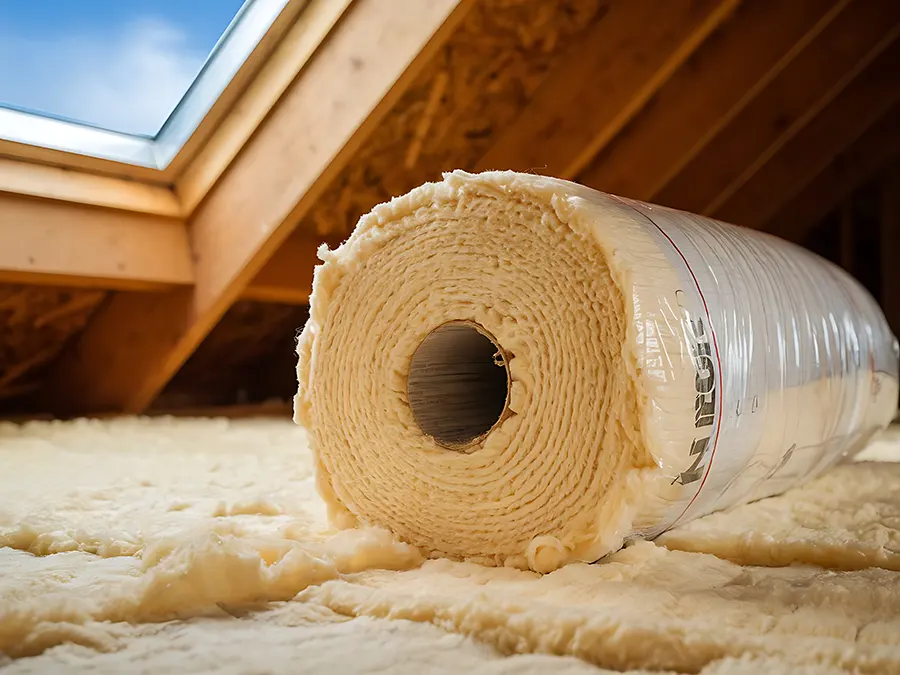
Batt Insulation

  • Traditional rolls or panels.
  • Easy for small DIY projects but less efficient in air sealing.

How Much Can You Save?

The U.S. Department of Energy estimates homeowners can save 15–25% on energy bills with proper insulation. In Massachusetts, where heating costs are among the highest in the U.S., savings can be significant.

Signs Your Attic Needs New Insulation

  • Uneven temperatures between rooms
  • High heating or cooling bills
  • Drafts and cold spots
  • Ice dams forming on the roof in winter

Professional vs. DIY Insulation

While DIY solutions may seem cost-effective, professional insulation ensures proper coverage, compliance with Massachusetts energy codes, and long-term durability.

Don’t let energy slip through your attic. Contact Thermal Core Insulation for a free consultation and start saving on your bills today.


combustion air: Make it tight, keep it safe. ThermalCore Insulation guide to coordinating air sealing with wood heat in Massachusetts homes before the work begins

Wood Stoves and Fireplaces: Combustion Air in a Tight House

Fireplace combustion air tight house questions usually begin with a reasonable worry: “We want to air seal the attic and stop the drafts, but will that affect the wood stove or fireplace we depend on in winter?”

The homeowner is not looking for a lecture about building science. They want to avoid turning a comfort project into a safety problem. The answer is not “keep the house leaky.” It is also not “every fireplace needs the same outside-air solution.” The right answer is sequencing.

Read More
Your skylight is not just glass — the light well may be losing heat. ThermalCore Insulation guide to assessing the full skylight assembly in Massachusetts homes.

Skylights and Light Wells: Forgotten Heat-Loss path

Skylight heat loss insulation is rarely just about the glass overhead. A homeowner feels a cold drop of air near the dining-table skylight each January. The ceiling around it seems colder than the rest of the room. Maybe there is a faint line of staining at one corner. Maybe the skylight looks fine from inside, so the instinct is to blame the glazing or buy a heavier shade.

In many Massachusetts homes, the roof skylight is connected to the finished ceiling by a framed shaft, often called a light well. When that shaft passes through a cold, vented attic, it becomes a vertical section of the home’s enclosure. If the shaft walls are not continuously insulated and aligned with an air barrier, the ceiling opening can become a forgotten path for heat loss, air movement, or moisture-related trouble.

Read More