If your air conditioner is running nonstop but your house still feels like an oven, your windows are likely the problem. Effective window insulation is crucial, especially in Massachusetts, where summer humidity can make 85°F feel like 100°F. Inefficient windows are more than just a nuisance; they’re a major drain on your wallet.
According to the U.S. Department of Energy (DOE), heat gain through windows is responsible for 25% to 30% of residential cooling energy use. During a New England summer, up to 76% of the sunlight that hits standard double-pane windows enters your home as heat.
You don’t need to spend a fortune replacing all your windows to fix this. There are effective, affordable ways to improve your window insulation and block the summer heat. Here are some of the cheapest and most effective methods to insulate your windows this summer, starting with easy DIY fixes.
1. Install Heat-Reflective Window Film

Cost: $15 – $30 per window | Effectiveness: High
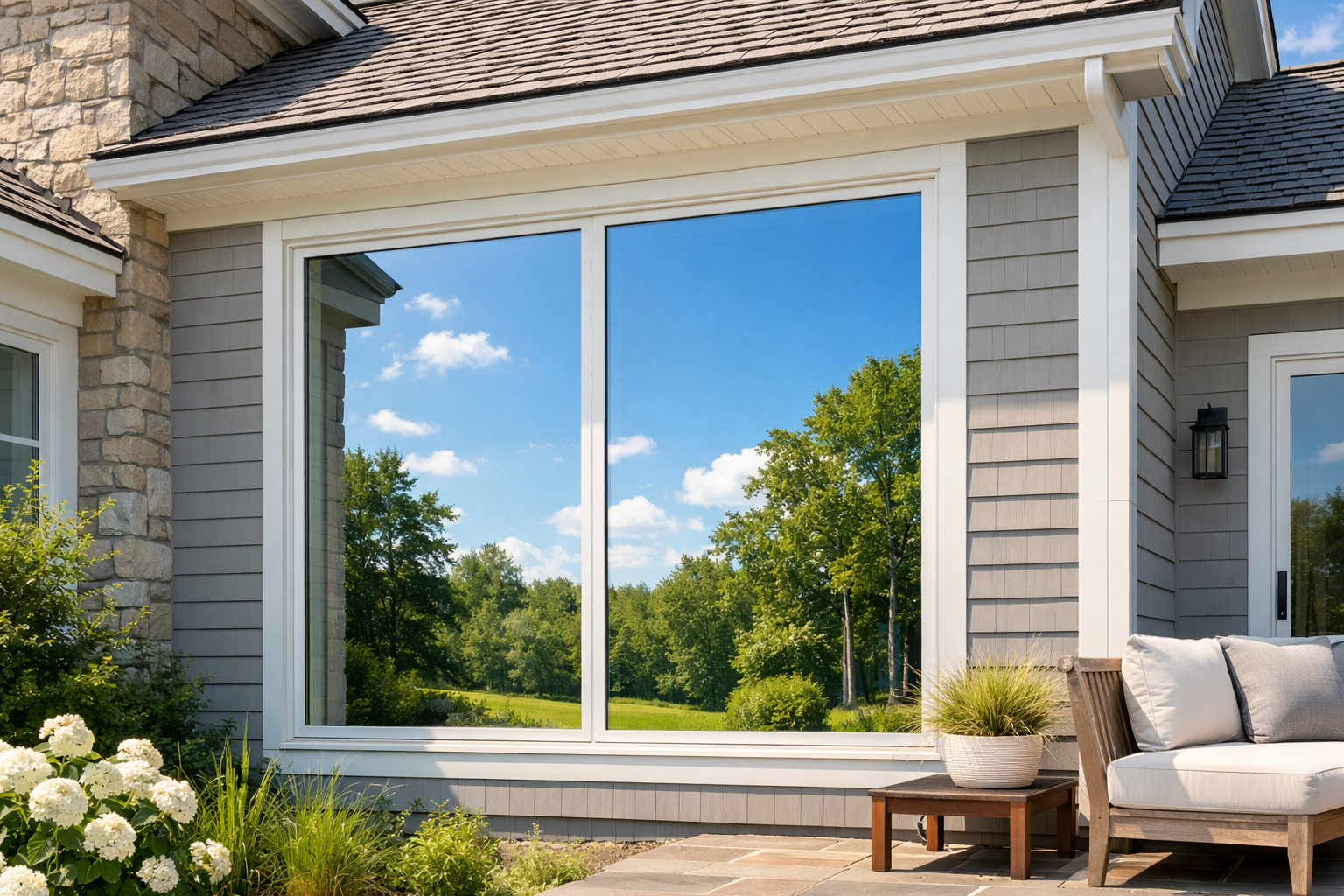
Window film is a cost-effective way to block solar heat without losing your view. These thin, adhesive films are applied directly to the interior glass. Reflective or “low-e” (low-emissivity) window films work by bouncing the sun’s infrared heat back outside before it can heat up your room. High-quality films can block up to 78% of solar heat gain, according to 3M’s performance data.
How to do it:
- Clean the window glass thoroughly.
- Cut the film to size, leaving a small margin.
- Spray the glass with a mixture of water and a few drops of baby shampoo.
- Apply the film, using a squeegee to push out water and air bubbles from the center to the edges.
Pro Tip: Window film works best on east- and west-facing windows, which get the most direct, intense sunlight during the summer.
2. Use Insulated Cellular Shades (Honeycomb Blinds)
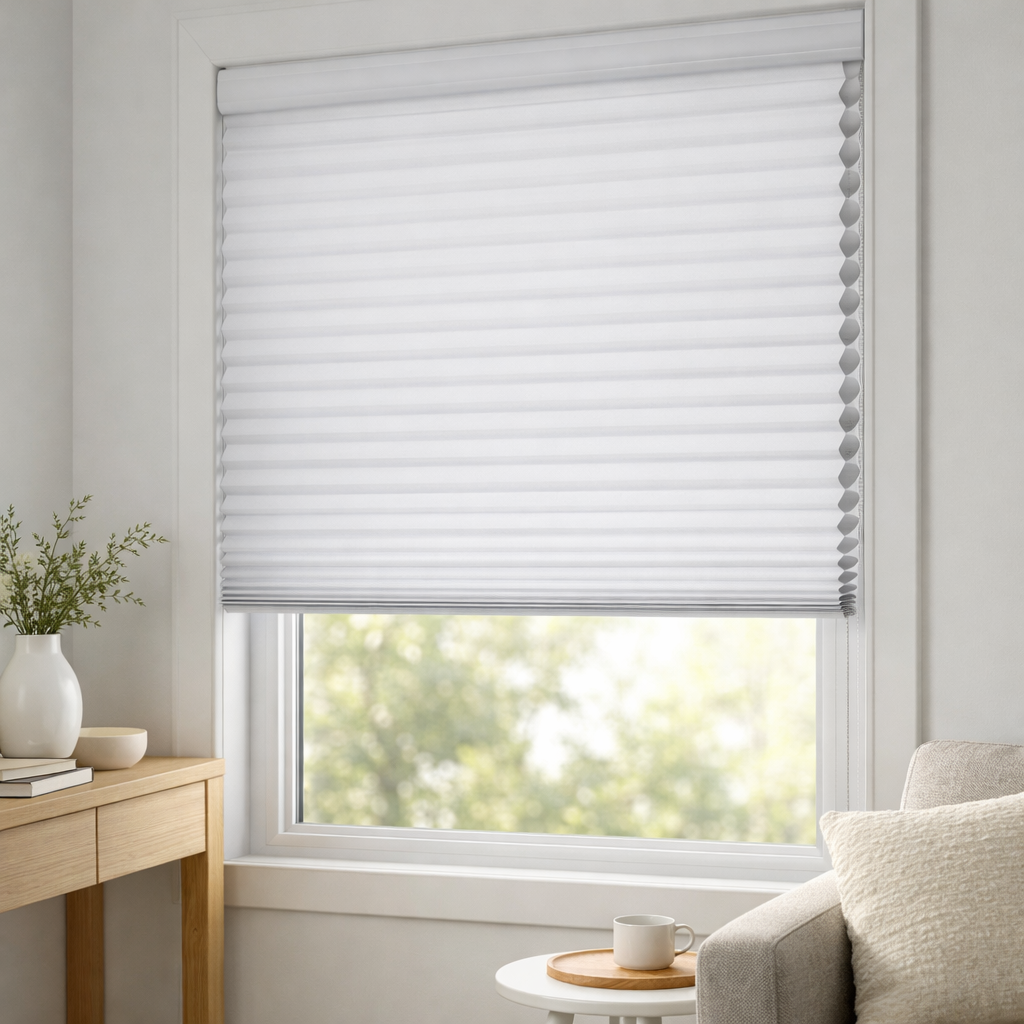
Cost: $40 – $100+ per window | Effectiveness: Very High
If you’re willing to spend a little more, insulated cellular shades are a top choice for interior window coverings. Also known as honeycomb blinds, these shades have a pleated design that creates distinct air pockets. These pockets trap heat, acting as a thermal barrier before it enters the room. When installed with a tight fit, cellular shades can reduce unwanted solar heat gain by up to 60%.
How to do it:
- For best efficiency, mount the shades inside the window frame as close to the glass as possible.
- Keep them fully lowered during the hottest parts of the day, especially on sun-facing windows.
3. Hang Thermal Blackout Curtains

Cost: $20 – $50 per panel | Effectiveness: Medium to High
Standard curtains don’t do much to stop heat. But thermal blackout curtains are different. They’re lined with heavy, tightly woven fabric or acrylic foam that blocks light and heat. Studies from the DOE’s Energy Saver program show that medium-colored draperies with white-plastic backings can reduce heat gains by 33%.
How to do it:
- Hang the curtains as close to the window as possible.
- Let them fall all the way to the windowsill or the floor to prevent hot air from escaping out the bottom.
- For maximum effect, use Velcro or magnetic tape to seal the edges of the curtains to the wall, creating a trapped airspace between the curtain and the glass.
4. Seal Leaks with Caulk and Weatherstripping

Cost: $5 – $15 per window | Effectiveness: Medium (Crucial for overall efficiency)
Blocking the sun is only half the battle. If hot, humid Massachusetts air leaks into your home through gaps in window frames, your AC will still struggle. Air sealing is a cheap and fast way to make your home more comfortable.
How to do it:
- Caulking: Use exterior-grade silicone caulk to seal any cracks or gaps between the window frame and your home’s siding.
- Weatherstripping: Apply adhesive foam or V-strip weatherstripping to the moving parts of the window (the sashes) to ensure a tight seal when the window is closed and locked.
5. Rigid Foam Insulation Panels

Cost: $15 – $25 per 4×8 sheet | Effectiveness: Extreme (But blocks all light)
If you have a room that gets unbearably hot and you don’t care about the view (like a garage, unused guest room, or a west-facing bedroom), this is the cheapest, most aggressive method. Rigid foam insulation board (like the pink or blue sheets found at hardware stores) has a high R-value and completely stops heat transfer.
How to do it:
- Measure the inside of your window frame exactly.
- Cut the rigid foam board to fit snugly inside the frame.
- Press it into the window. You can wrap the edges in weatherstripping tape for a friction fit that won’t damage the window.
When Cheap Fixes Aren’t Enoughfor your Window Insulation
While isolating your windows is a great first step, remember that windows only make up a small percentage of your home’s exterior. If your home is poorly insulated, the summer heat isn’t just coming through the glass; it’s radiating down from your attic and baking through your walls. An uninsulated attic can reach 150°F in the summer, turning your ceiling into a giant radiator.
If you’ve tried window films and thermal curtains but your HVAC is still running at 100% capacity, the problem is likely your home’s main thermal barrier. Upgrading to closed-cell spray foam insulation in your attic and walls creates an airtight, high R-value seal that stops heat transfer entirely. This reduces the load on your HVAC system, extends its lifespan, and can lower your energy bills by up to 20%.
Massachusetts Residents: Get Up to 100% Off Insulation
Through the Mass Save® program, Massachusetts homeowners may qualify for 75% to 100% off insulation upgrades and no-cost air sealing. Plus, if you replace single-pane windows with ENERGY STAR® Most Efficient certified models, you can receive a rebate of $75 per window.
Ready to stop the heat for good? Contact ThermalCore Insulation today for a free consultation and see how we can help you maximize your Mass Save benefits.