

Insulation for old homes in Massachusetts is one of the most misunderstood home improvement projects a homeowner can undertake. Massachusetts has some of the oldest housing stock in the United States with a median build year of the 1960s and tens of thousands of homes dating back to the 1800s and early 1900s. Owning one of these homes is a unique experience, filled with character, history, and charm. But it also comes with a unique set of challenges, especially when it comes to comfort and energy efficiency.
If you live in a pre-1980s home, you’re likely familiar with the drafts, cold spots, and high heating bills that are common in older construction. The truth is, the very things that give these homes their character the plaster walls, the balloon framing, the intricate architectural details also make them notoriously difficult to insulate. But with the right approach, you can preserve the historic integrity of your home while dramatically improving its comfort and energy performance.
This guide will walk you through the process of retrofitting insulation for old homes in Massachusetts, from understanding the unique challenges to choosing the right materials and finding a qualified contractor. We’ll also cover how you can take advantage of Mass Save rebates to make your project more affordable.
Why Old Homes Are Different
Insulating an old home is not the same as insulating a new one. Older homes have a number of unique characteristics that make them more challenging to insulate effectively. Understanding these challenges is the first step toward solving them.
Balloon Framing
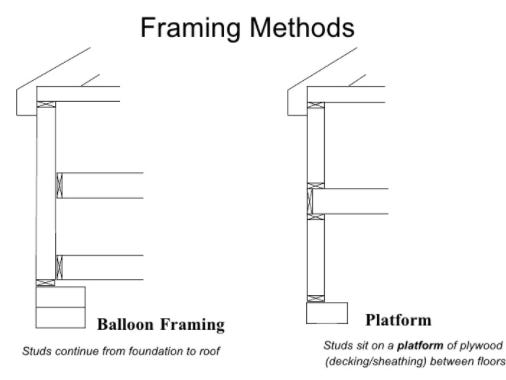
Many homes built before the 1940s use a construction technique called balloon framing, where the wall studs extend uninterrupted from the foundation to the roof. This creates a series of open channels that act as a superhighway for air to travel from your basement to your attic, carrying heat with it. This is a major source of energy loss and can make your home feel drafty and uncomfortable year-round.
Plaster and Lath Walls
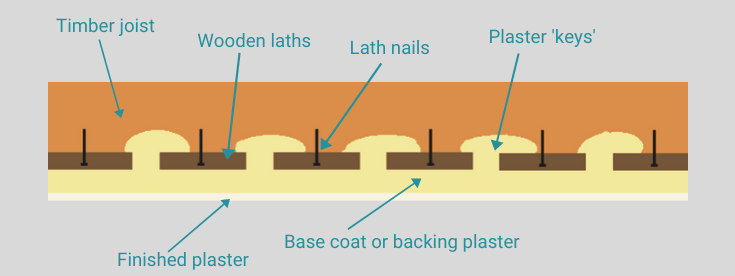
Instead of modern drywall, most old homes have plaster and lath walls. While beautiful and durable, these walls are difficult to insulate without causing damage. Cutting large holes to install fiberglass batts is not an option if you want to preserve the original plaster and in a historic home, that plaster is often irreplaceable.
Irregular and Settled Framing
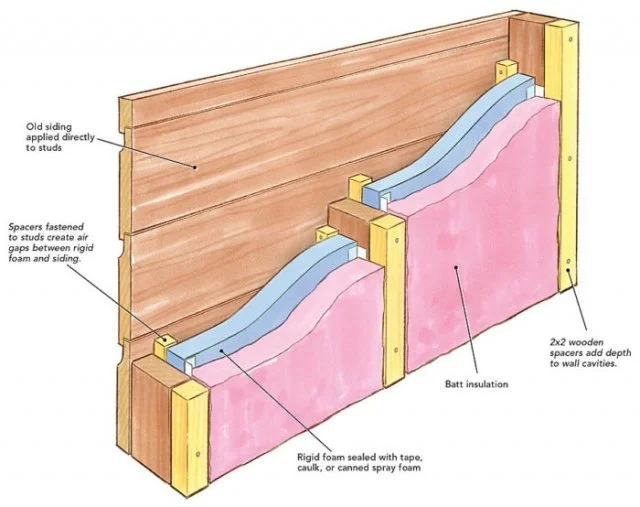
Over time, old homes settle and shift. This can create irregular spacing between wall studs and gaps in the framing, making it difficult to get a tight fit with traditional insulation materials. These gaps and voids become pathways for air leakage and heat loss that standard batts simply cannot address.
Lack of Air Sealing
The biggest problem in most old homes is not a lack of insulation, but a lack of air sealing. Decades of small cracks and gaps around windows, doors, pipes, and wires can add up to the equivalent of leaving a window open all winter long. According to the U.S. Department of Energy, air leakage accounts for 25–40% of the energy used for heating and cooling in a typical home . No amount of insulation will be effective if you don’t first address these air leaks.
Historic Preservation Concerns
If you own a historic home, you have the added responsibility of preserving its original character and materials. This means that any insulation work must be done carefully and with a deep respect for the home’s history. The Massachusetts State Building Code includes specific provisions for historic buildings under Chapter 12 of the Existing Building Code .
Insulation for Old Homes
Given the unique challenges of old homes, it’s important to choose an insulation material that can address them effectively. Here’s a look at the most common options:
| Insulation Type | Pros | Cons | Best for Old Homes? |
|---|---|---|---|
| Fiberglass Batts | Inexpensive, readily available | Difficult to install in irregular cavities, susceptible to moisture, doesn’t air seal | No |
| Blown-In Cellulose | Fills cavities better than batts, made from recycled materials | Can settle over time, doesn’t air seal perfectly, can hold moisture | Better, but not ideal |
| Closed-Cell Spray Foam | Air seals and insulates simultaneously, fills all gaps, adds structural strength, acts as vapor barrier | Higher upfront cost | Yes — the gold standard |
As you can see, closed-cell spray foam is the clear winner for old homes. It’s the only insulation material that can effectively address all of the challenges we’ve discussed from irregular framing to balloon framing channels to plaster wall preservation. If you’re weighing the financial case, our guide on whether spray foam insulation is worth the investment in Massachusetts breaks down the long-term ROI in detail.
The Retrofitting Process in 3 Steps
Retrofitting an old home with spray foam insulation is a multi-step process that requires careful planning and execution. Rushing any step can lead to suboptimal results or, worse, damage to historic materials.
Step 1: The Home Energy Assessment
The first step is to get a professional home energy assessment. A certified energy auditor will use tools like a blower door test and a thermal imaging camera to identify all of the air leaks and areas of heat loss in your home. This is a crucial step that will allow you to create a targeted insulation plan rather than guessing where to start.
Step 2: Prioritizing Areas for Insulation
Based on the results of your energy assessment, you can prioritize the areas of your home that will give you the biggest return on investment.
- Attic first. The attic is the #1 priority for most homes, as it’s the source of the most significant heat loss. Up to 25% of a home’s heat escapes through the attic . For Massachusetts homeowners dealing with ice dams and high heating bills, spray foam insulation for attics is the most impactful single upgrade available.
- Basement and crawl space second. The basement or crawl space is the #2 priority, especially the rim joists, which are a major source of air leakage in older homes.
- Walls last. The walls are typically the last priority, as they are the most difficult and expensive to insulate. However, if your walls are uninsulated, they can be a major source of heat loss — particularly in balloon-framed homes.
Step 3: The Installation Process
Once you have a plan in place, the installation can begin. A professional spray foam contractor will take the following steps:
- Preparation: The crew will carefully protect your floors, furniture, and any historic details that need to be preserved. In a historic home, this step is non-negotiable.
- Application: The spray foam will be applied in the targeted areas, expanding to fill every crack and crevice. In balloon-framed walls, the foam is injected at strategic points to block the open channels without disturbing the plaster.
- Safety and Ventilation: The crew will use proper safety equipment and ventilation to ensure a safe installation. Spray foam requires proper curing time before re-occupancy.
Preserving Historic Home
When retrofitting an old home, it’s important to work with a contractor who has experience with historic preservation. A good contractor will take a minimally invasive approach, using techniques like injection foam to insulate walls without damaging the plaster. They will also take care to protect any original trim, moldings, and other architectural details.
According to the Building Science Corporation, one of the leading authorities on building performance, the key to successfully insulating old masonry and wood-framed homes is understanding the moisture dynamics of the existing assembly before making any changes. Adding insulation without understanding how the wall manages moisture can create new problems including the very mold and condensation issues you’re trying to prevent.
For a deeper look at how Massachusetts’s climate specifically affects your insulation strategy, see our guide on how Massachusetts climate impacts your insulation needs.
Mass Save Rebates for Old Homes
One of the best things about insulating your old home is that you can get significant financial help from the Mass Save program. Mass Save offers rebates of 75% or more on insulation projects for standard-income households, and up to 100% for income-eligible households — which can dramatically reduce your out-of-pocket costs.
The first step is to schedule a no-cost home energy assessment through the Mass Save website. As a Mass Save partner, Thermal Core can help you navigate the process and ensure you get the maximum rebate available for your project. For a complete breakdown of all available incentives in 2026, including the 0% HEAT Loan program, see our full guide on Massachusetts insulation incentives and tax credits for 2026.
Modern Comfort, Historic Charm
Insulating your old home is one of the best investments you can make. It will not only make your home more comfortable and energy-efficient, but it will also help to preserve its historic character for years to come. With the right approach and the right contractor, you can have the best of both worlds: modern comfort and historic charm.
The key is choosing a contractor who understands both the building science of old homes and the importance of preserving what makes them special. If you’re not sure where to start, the 5 signs your home needs new insulation is a useful first read.
Ready to get started? Contact Thermal Core today for a free home energy assessment. We’ll provide you with a custom retrofitting plan for your old home and a no-obligation quote for your project. Call us at (617) 245-7245 or schedule your assessment online.